
A Nepal Epic · Hindu pilgrimage
Sacred Nepal — Where the Gods Dwell
Shiva roamed here as a deer. He struck a mountain with his trident and made a lake. Vishnu waits at the top of the world behind 108 streams of icy water. Walk Nepal's great pilgrimage, from the banks of the Bagmati to the edge of Tibet.
For Hindus, Nepal is not just a country with temples. It is a land the gods themselves chose. The holiest shrine of Shiva stands on a river in Kathmandu, a wish-granting goddess watches over a ridge in Gorkha, a sacred lake sits frozen high in the Langtang mountains, and a Vishnu temple near the Tibetan border is counted among the most sacred in all of Hinduism. This epic follows the pilgrim's road between them.
Chapter 1
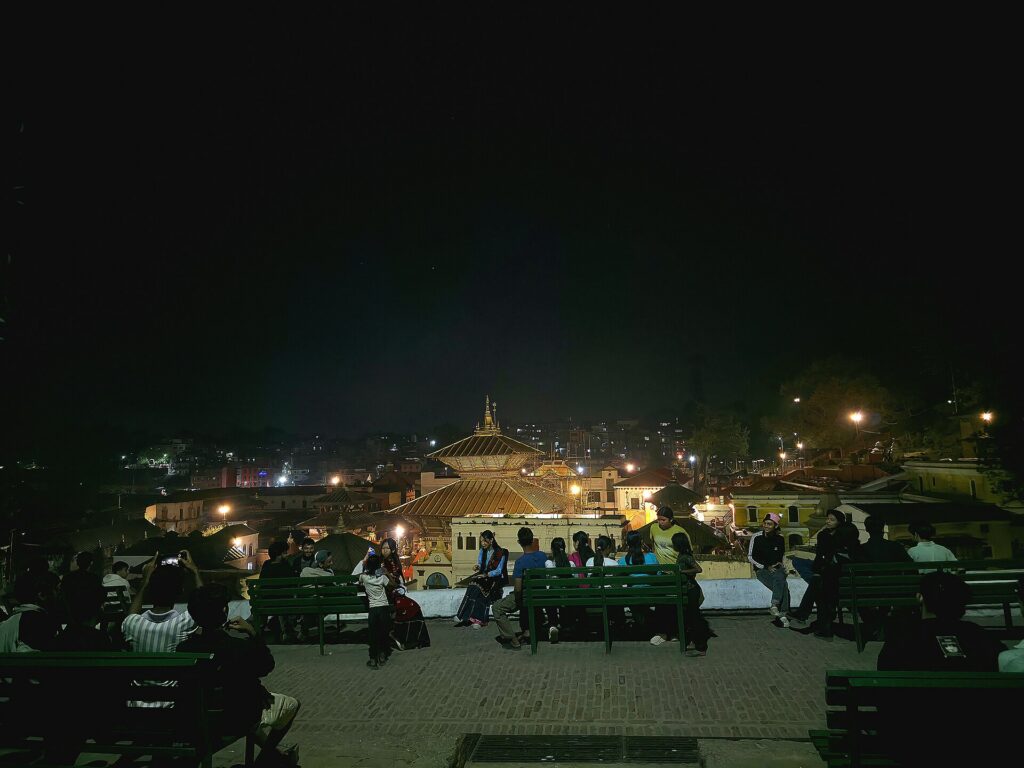
The Lord of All Living Beings
Legend says Lord Shiva once grew tired of the gods and slipped away to a forest on the Bagmati River. There he took the form of a deer and wandered the woods of Mrigasthali, the place of the deer. When at last he was found, he declared he would be known as Pashupatinath, Lord of all living beings.
Today his golden-roofed temple is the holiest Shiva shrine in Nepal. Sadhus in saffron sit by the river, cremation fires burn on the ghats, and every evening lamps blaze at the aarti. On Maha Shivaratri, in late February or early March, hundreds of thousands of devotees and holy men from Nepal and India fill the temple grounds.
- Only Hindus may enter the main temple; everyone can watch from the east bank
- Come for the evening aarti on the Bagmati
- Watch the cremation ghats quietly, without close-up photos

Chapter 2
The Goddess Who Grants Wishes
On a ridge in Gorkha, 1,302 metres above the Trishuli River, stands the temple of Manakamana. Her name joins two words: mana, the heart, and kamana, a wish. For centuries pilgrims have climbed here to whisper the wish of their heart to the goddess, and returned to give thanks when it came true.
The climb once took a whole day. Since 1998 a cable car has carried pilgrims about 2.8 km up from Kurintar in roughly ten minutes, gliding high above the river and the terraced hills.

Chapter 3
Shiva's Frozen Lake
When gods and demons churned the cosmic ocean, a poison rose that could destroy the world. Shiva drank it to save creation, and his throat burned. He struck the mountain with his trident, water burst out, and Gosaikunda was born, a turquoise lake at 4,380 metres in the Langtang mountains.
Every August, on the full moon of Janai Purnima, thousands of Hindu and Buddhist pilgrims walk for days to bathe in its freezing water and renew the sacred thread. The lake and its sister ponds are also a protected Ramsar wetland.
- Trek: usually 2–3 days up from Dhunche in Rasuwa
- Janai Purnima falls in the monsoon: expect rain and crowded trails
- Altitude is serious here: climb slowly and turn back if you feel ill
Chapter 4
The Place of Liberation
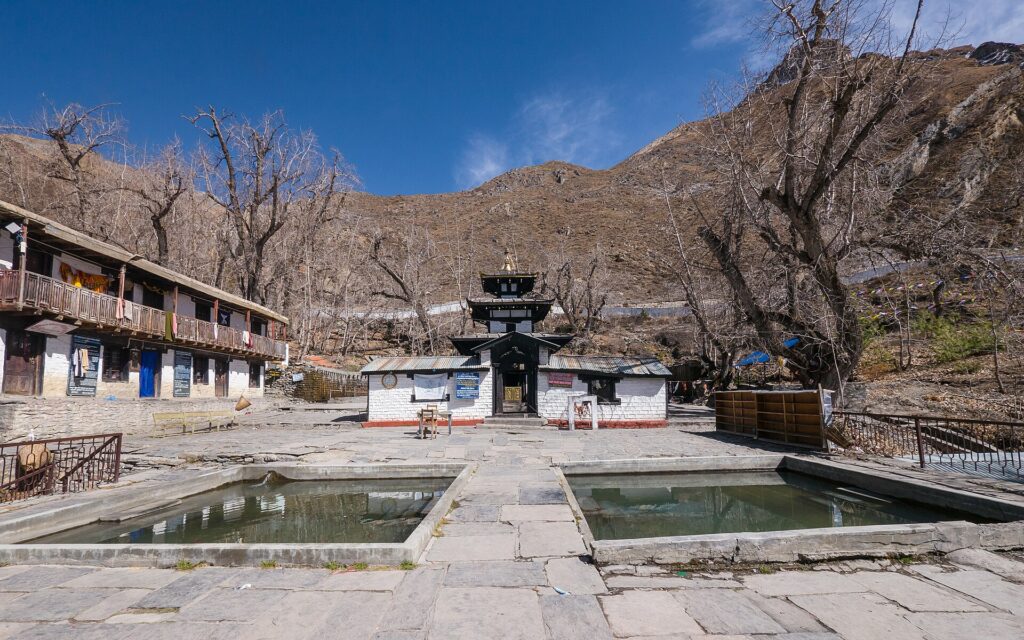
High in Mustang, at about 3,800 metres, Muktinath is one of the highest temples in the world. For Vaishnavas it is one of the 108 Divya Desams, the holy abodes of Vishnu, and the only one outside India. Its name means the Lord of liberation.
Behind the temple, water pours from 108 spouts shaped like cows' heads. Pilgrims run beneath every one of them in the icy air. Nearby, at Jwala Mai, a flame fed by natural gas burns above a spring, so fire and water meet in one shrine. Buddhists revere the same place, and monks and Hindu priests share its courtyards.
- 108sacred water spouts at MuktinathFor the 108 abodes of Vishnu
- 3,800metres: Muktinath's altitudeOne of the world's highest temples
- 4,380metres: Gosaikunda lakeIn Langtang National Park
- 1998Manakamana cable car openedTen minutes instead of a day's climb

Chapter 5
The Pilgrim's Year
In Nepal, faith keeps a calendar. Time your journey to a festival and you will see these places at their most alive, with music, lamps, processions and crowds of devotees.
Nepal's sacred map does not end here. Follow Sita to Janakpur and Valmiki Ashram on the Ramayana Trail, or walk in the footsteps of the Buddha at Lumbini.
- Maha Shivaratri (February–March): sadhus and sacred fires at Pashupatinath
- Janai Purnima (August): the pilgrimage to Gosaikunda
- Teej (August–September): women in red fill Pashupatinath
- Bala Chaturdashi (November–December): lamps and seeds scattered at Mrigasthali
- Dashain (September–October): pilgrims crowd Manakamana and the goddess temples
Pilgrimage experiences
On the pilgrim's road
- Evening aarti at PashupatinathLamps, bells and song on the BagmatiEvening
- Maha ShivaratriSadhus and devotees in their hundreds of thousandsFebruary–March
- Manakamana by cable carA wish and a view over the TrishuliHalf day
- Gosaikunda trekShiva's lake in the high Langtang4–5 days
- Muktinath yatra108 spouts and the eternal flame3–4 days from Pokhara
- Bathe under the 108 spoutsThe ritual at MuktinathEarly morning
Complete the sacred circuit
Pilgrimage with respect: These are living places of worship. Dress modestly, remove your shoes and leather items where asked, follow temple rules on who may enter, and never photograph rituals or cremations up close.
Where to stay
Where pilgrims stay
Travel the story
Travel the great pilgrimage
Link the holy places in one journey: Pashupatinath, the wish-fulfilling goddess of Manakamana and the road towards Muktinath.
-
KathmanduPashupatinath
Morning darshan and the evening aarati on the Bagmati.
-
ManakamanaThe goddess who grants wishes
Reached by cable car from Kurintar, on the road between Kathmandu and Pokhara. Avoid Saturdays if you can.
-
PokharaGateway to Muktinath
Rest by the lake. Muktinath (about 3,800 m) is a further journey by flight or jeep through Jomsom: add two to three days and take the altitude seriously.
-
GosaikundaThe holy lake
A separate trek of several days from Dhunche, north of Kathmandu. Plan it as its own trip.
Open this 8-day route in the trip plannerTime it with a festival
The planner works out each day, the travel times and the map. You can change the number of days and the start date there.
Plan your visit
Plan your pilgrimage
When to go
- Pashupatinath All year; Maha Shivaratri in February–March is the biggest day.
- Manakamana All year; very busy during Dashain and on Saturdays.
- Gosaikunda October–November for clear views; August for Janai Purnima.
- Muktinath March–May and September–November. Winters are bitterly cold.
Getting there
- Pashupatinath In Kathmandu, about 5 km east of the centre.
- Manakamana Cable car from Kurintar on the Prithvi Highway, between Kathmandu and Chitwan or Pokhara.
- Gosaikunda Drive to Dhunche, then trek up through Langtang National Park.
- Muktinath Fly Pokhara–Jomsom, then continue by jeep; or go by road via the Kali Gandaki valley.
Good to know
- Altitude Muktinath and Gosaikunda are high. Acclimatise and carry warm clothes.
- Permits Gosaikunda and Muktinath lie in protected areas that need entry permits. Check the current rules before you go.
- Festival dates They follow the lunar calendar and move each year.
Pashupatinath and Manakamana fit into two days from Kathmandu. Add 4–5 days for Gosaikunda and 3–4 days for Muktinath.
Sacred Nepal questions
Why is Pashupatinath so important?
It is the holiest Shiva temple in Nepal. Legend says Shiva lived in the forest here as a deer and became known as Pashupatinath, Lord of all living beings.
Can non-Hindus enter Pashupatinath?
Only Hindus may enter the main temple. Everyone can visit the wider complex and watch from the east bank of the Bagmati.
When is the Gosaikunda pilgrimage?
On Janai Purnima, the full moon of August, when thousands of pilgrims bathe in the lake.
How high is Muktinath?
About 3,800 metres, in Mustang. It is one of the 108 Divya Desams of Vishnu and the only one outside India.
How do I reach Manakamana?
By cable car from Kurintar, a ride of about ten minutes, or on foot.
Nepal Epics
Continue the journey
 Kathmandu Valley — The Lake That Became a KingdomA lake drained by a sword, three royal cities and a living goddess.
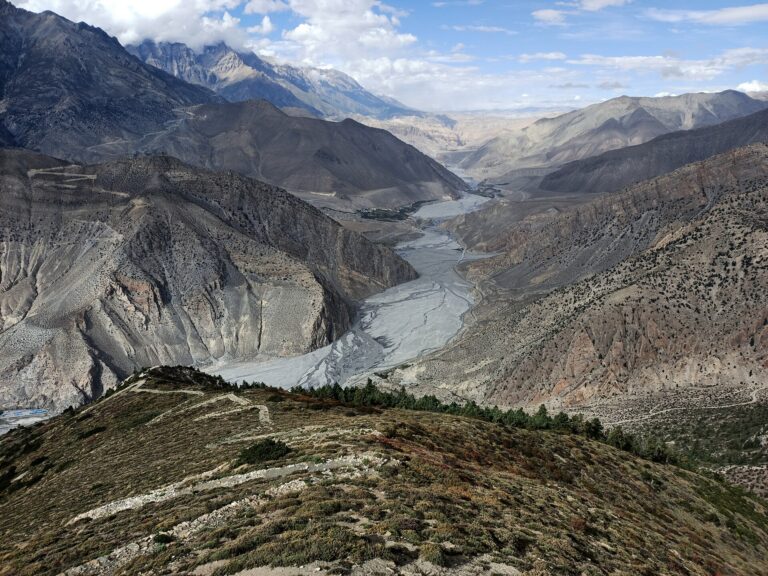 Kali Gandaki — The River That Carries GodShaligram stones, a forgotten holy city and the bend where the river flows north.
 Chitwan — The Jungle That Came BackFrom royal hunting ground to Asia's greatest wildlife comeback.
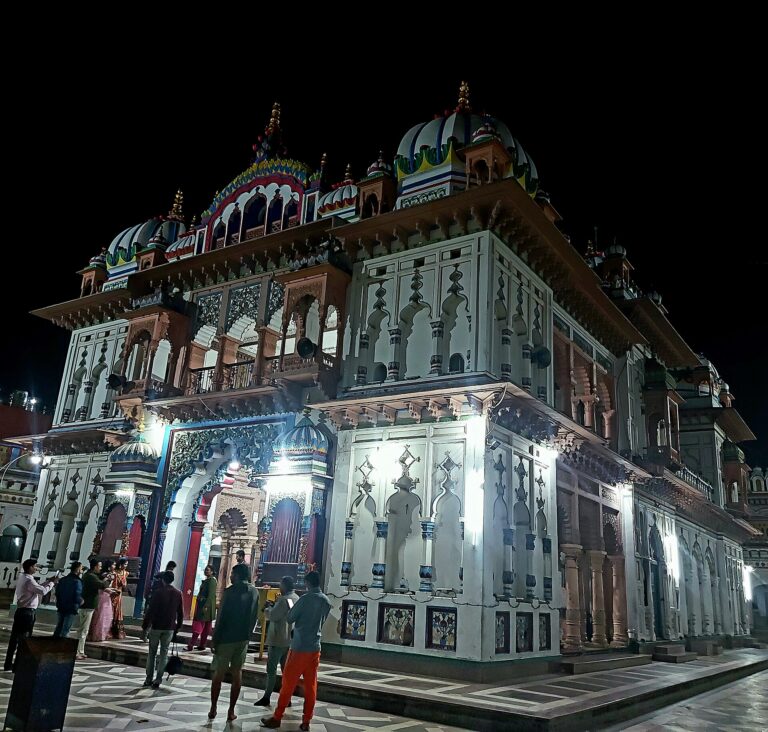 The Ramayana TrailFollow Sita through Nepal, from Janakpur to Valmiki Ashram.
 Kingdom of SitaJanakpur, where Ram broke Shiva's bow and married Sita.
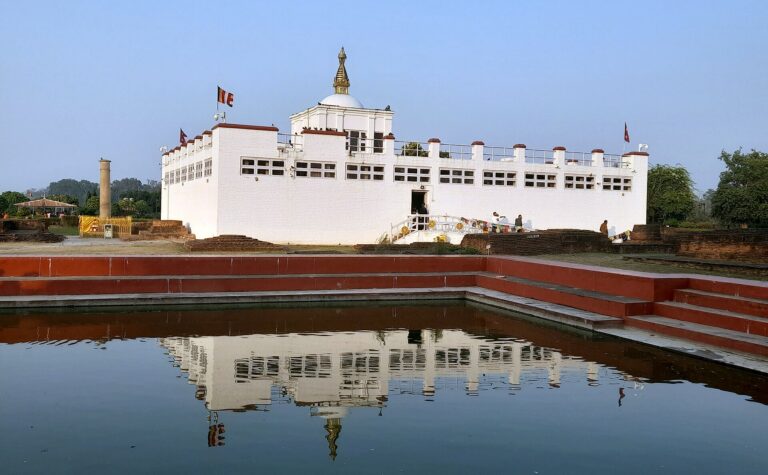 Birthplace of the BuddhaLumbini, the garden where the path to peace began.
 Khaptad — The Hermit's PlateauTwenty-two meadows, a hermit's ashram and a plateau few ever reach.
Sources: