A Nepal Epic · Lumbini

Birthplace of the Buddha

More than 2,500 years ago, a queen stopped in a garden on her journey home and gave birth to a prince. He became the Buddha. Walk the garden where the path to peace began.

Plan my tripRead the story ↓

Lumbini is quiet in a way few great places are. Monks cycle along a long canal, prayer flags move in the breeze, and pilgrims from every Buddhist country sit in silence beside an old brick pool. Here, in the plains of southern Nepal, Siddhartha Gautama was born. An emperor came to honour the spot, the world forgot it, and then found it again.

A Birth in a Garden

Photo: 松岡明芳, CC BY-SA 4.0

Chapter 1

A Birth in a Garden

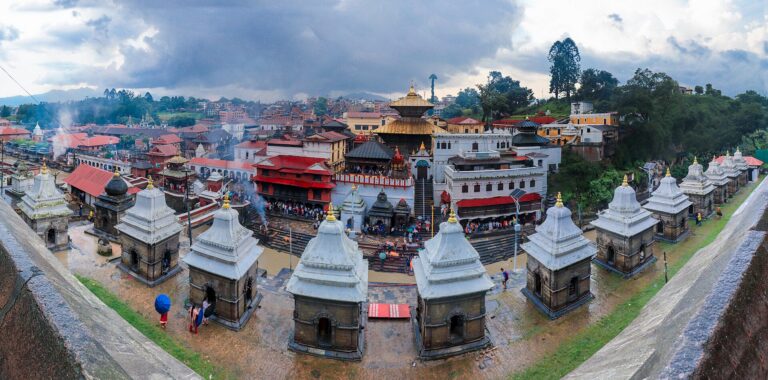
Queen Maya Devi of the Shakya kingdom was travelling to her parents' home when she stopped in the garden of Lumbini. There, beneath a tree, she gave birth to a son, Prince Siddhartha. Tradition says the child was given his first bath in the pond that still lies beside the temple.

Today the Maya Devi Temple shelters the ancient brick remains of earlier shrines and a marker stone honoured as the exact place of birth.

The Emperor's Pillar

Photo: David Lowry, CC BY 2.0

Chapter 2

The Emperor's Pillar

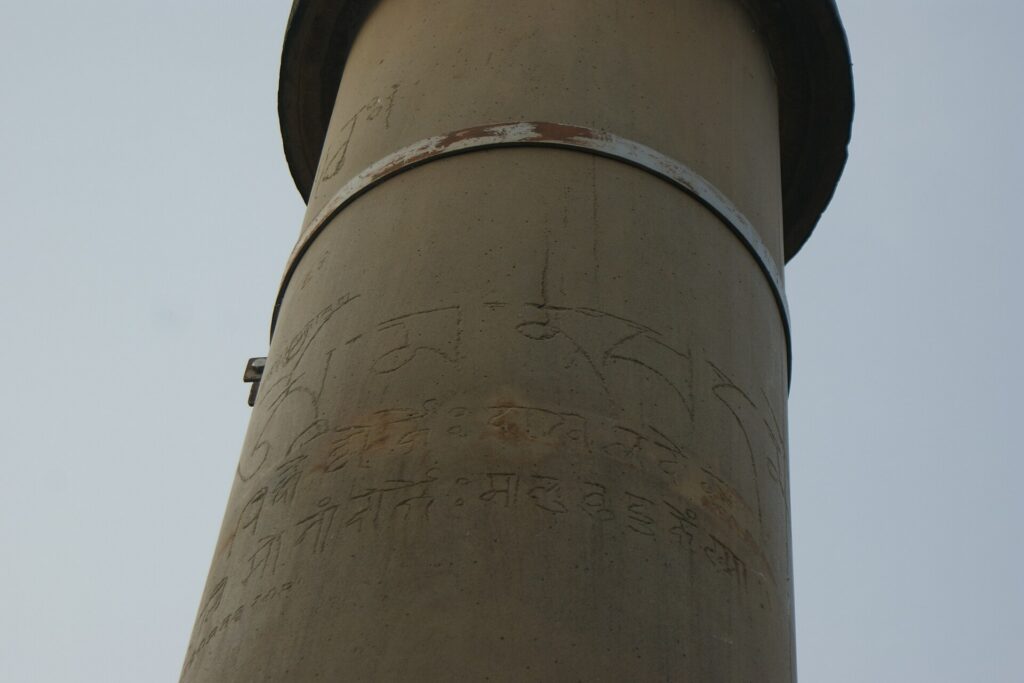
In 249 BC the Mauryan emperor Ashoka, who had turned to Buddhism, came to Lumbini as a pilgrim. He raised a stone pillar with an inscription recording that the Buddha was born here. It is the oldest written proof of the birthplace, and it still stands beside the temple.

Remains of monasteries, stupas and brick shrines from the 3rd century BC onward show that Lumbini has drawn pilgrims for more than two thousand years. UNESCO listed it as a World Heritage Site in 1997.

  • 249BC: Emperor Ashoka's pillarThe oldest proof of the birthplace
  • 1997UNESCO World Heritage listingLumbini, the Birthplace of the Lord Buddha
  • 42monastery plots in the Monastic ZoneBuilt by Buddhist communities from many nations
  • 22km from Gautam Buddha International AirportIn Bhairahawa
A Plan for Peace

Photo: Mohammad Ayub Musalman, CC BY-SA 4.0

Chapter 3

A Plan for Peace

In 1967 the UN Secretary-General U Thant visited Lumbini and was deeply moved. A plan followed, designed by the Japanese architect Kenzo Tange and approved in 1978: a sacred garden in the south, a monastic zone along a central canal, and a new village for visitors in the north.

Walking it is like walking the Buddhist path: from the busy world, through learning and reflection, to the place of birth. In 1998 the first World Buddhist Summit declared Lumbini the "Fountain of World Peace".

A World of Monasteries

Photo: Bijay Chaurasia, CC BY-SA 4.0

Chapter 4

A World of Monasteries

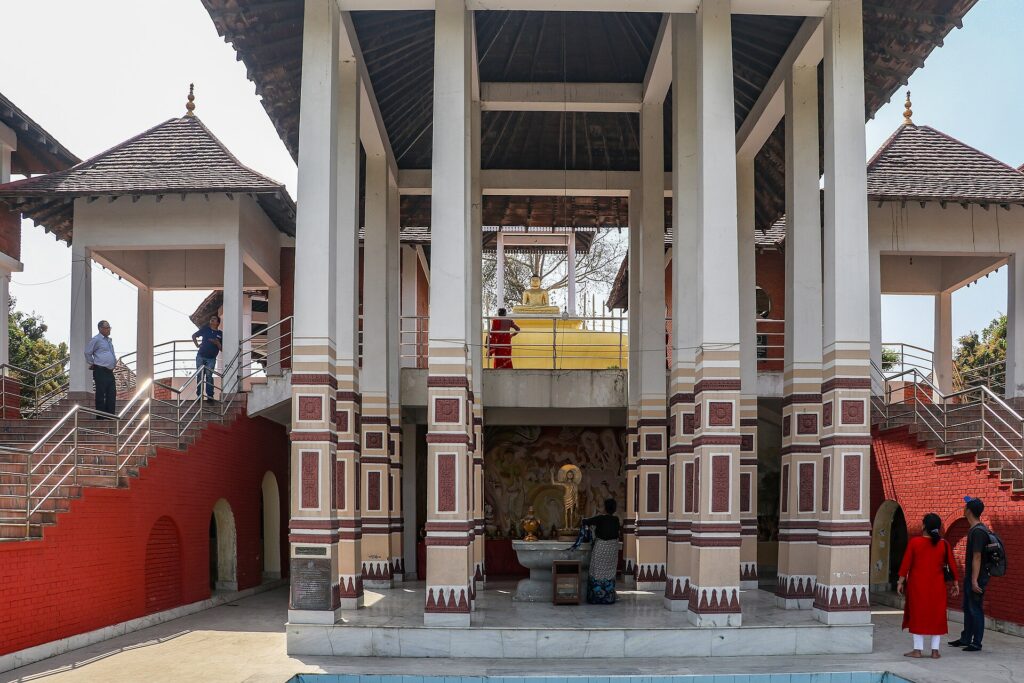
The Monastic Zone is one of Asia's most unusual walks. On one side of the canal stand the monasteries of the Theravada tradition; on the other, those of the Mahayana. Each country has built in its own style, from golden Burmese spires to Tibetan prayer halls.

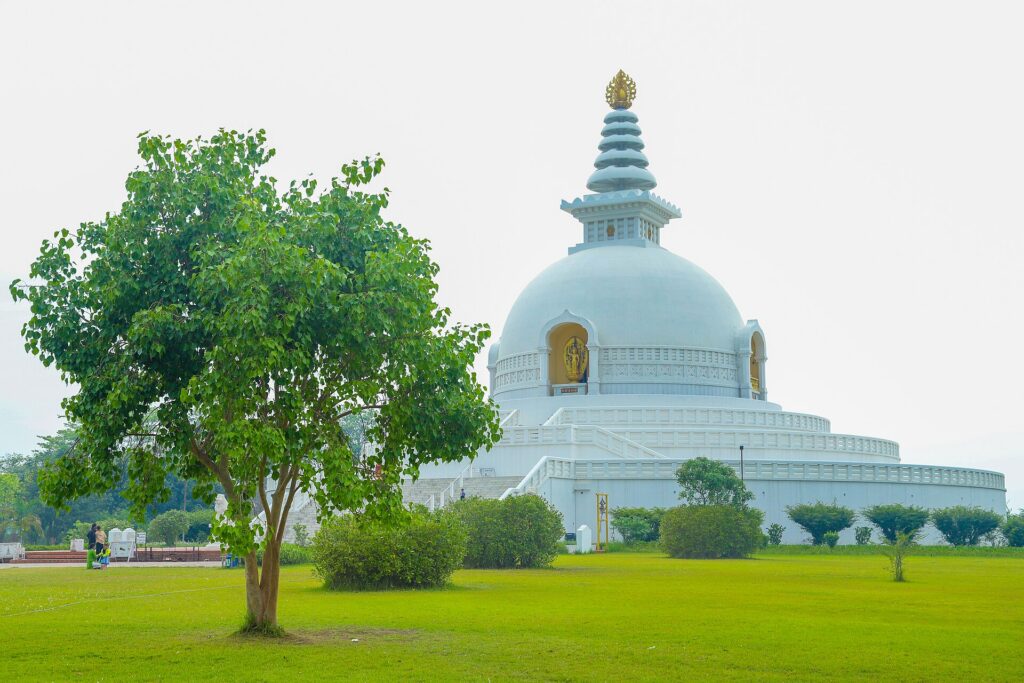
Rent a bicycle and ride from monastery to monastery, stop at the Eternal Peace Flame, and end at the white World Peace Pagoda as the sun sets.

The Kingdom of the Shakyas

Photo: Sabina Bajracharya, CC BY-SA 4.0

Chapter 5

The Kingdom of the Shakyas

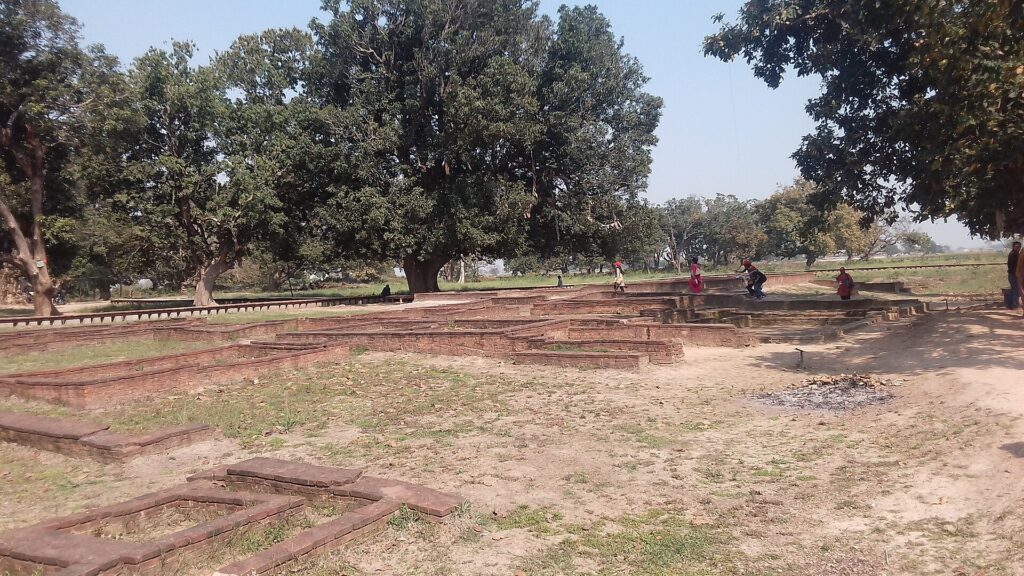
Lumbini is only the beginning. To the west, the ruins of Tilaurakot are linked with ancient Kapilavastu, where Prince Siddhartha grew up in his father's palace before leaving it to seek the end of suffering.

Nearby lie Kudan, linked with the Buddha's return to his family, and the Ramagrama Stupa, believed to hold relics of the Buddha. Together they make the Lumbini region one of the richest Buddhist landscapes in the world.

  • Tilaurakot: the palace ruins of ancient Kapilavastu
  • Kudan: where the Buddha is said to have met his family again
  • Ramagrama Stupa: believed to hold relics of the Buddha

Watch

Watch

Videos are from YouTube. Nothing loads from YouTube until you press play.

Walking through the sacred birthplace of Buddha (4K) · Watch on YouTube ↗

Lumbini, in the western Terai, is the birthplace of the Buddha and a World Heritage Site.

Ten places to see in Lumbini

  1. Maya Devi Temple. The temple over the spot honoured as the Buddha’s birthplace.
  2. Ashoka Pillar. A pillar set up by Emperor Ashoka in the third century BCE to mark the site.
  3. Sacred Pond. The pool beside the temple where, by tradition, Maya Devi bathed.
  4. Eternal Peace Flame. A flame burning at the head of the central canal.
  5. World Peace Pagoda. A white stupa at the northern end of the site.
  6. Monastic Zone. Monasteries built by Buddhist communities from many countries.
  7. Lumbini Museum. Finds from the site and its history.
  8. Tilaurakot. Ruins associated with ancient Kapilvastu, where Prince Siddhartha grew up.
  9. Kudan. An archaeological site linked with the Buddha’s return to his family.
  10. Ramagrama Stupa. A stupa believed to hold relics of the Buddha.

Plan your visit

Add these places to your own route with the trip planner, and check the best time to visit Nepal.

Things to do in Lumbini

Experience Lumbini

  • Sunrise at the Maya Devi TempleThe Sacred Garden at its quietestEarly morning
  • Ashoka Pillar and Sacred Pond2,000 years of pilgrimage1 hour
  • Cycle the Monastic ZoneMonasteries of many nationsHalf day
  • World Peace Pagoda at sunsetGolden light over the plains1 hour
  • Lumbini Crane SanctuarySarus cranes and wetland birds1–2 hours
  • Day trip to TilaurakotThe palace of the young SiddharthaHalf day
  • Buddha JayantiThe Buddha's birthday festivalApril–May full moon

The Lumbini Peace Path

Visiting with respect: Dress modestly, remove your shoes inside the Maya Devi Temple, walk clockwise around stupas and keep your voice low in the Sacred Garden.

Where to stay

Stay in Lumbini

Travel the story

Travel in the footsteps of the Buddha

See where Siddhartha Gautama was born and where he grew up as a prince, then the great stupas of Kathmandu where his teaching is still lived.

  1. KathmanduThe living tradition

    Swayambhunath and Boudhanath, two of the most important stupas in the Buddhist world.

  2. LumbiniThe birthplace

    The Maya Devi Temple, the Ashoka Pillar and the monasteries built by Buddhist countries. Go at dawn.

  3. TilaurakotThe palace he left

    A day trip from Lumbini to the ruins of ancient Kapilvastu, where Siddhartha lived as a prince until the age of 29.

  4. KathmanduReturn

    Fly back from Bhairahawa, or continue to Chitwan or Pokhara.

Open this 6-day route in the trip plannerTime it with a festival

The planner works out each day, the travel times and the map. You can change the number of days and the start date there.

Plan your visit

Plan your Lumbini trip

When to go

  • October–March Cool, clear days: the best time to visit.
  • Buddha Jayanti The full moon of Baisakh, in April or May.
  • April–June Very hot. Visit early in the morning.
  • June–September Monsoon rains.

How to get there

  • By air Fly from Kathmandu to Gautam Buddha International Airport in Bhairahawa, 22 km away.
  • By road A long day's drive from Kathmandu, or a few hours from Pokhara or Chitwan.
  • From India Through the Sunauli–Belahiya border near Bhairahawa.

Where to base yourself

  • Lumbini village Hotels close to the Sacred Garden.
  • Bhairahawa More choice, near the airport and border.
  • Monastery guesthouses Simple stays for pilgrims and meditators.

One full day covers the Sacred Garden and Monastic Zone. Add a second day for Tilaurakot and Ramagrama. Official website

Build my Lumbini itinerary

Lumbini questions

Was the Buddha really born in Lumbini?

Yes. An inscription on the pillar that Emperor Ashoka raised here in 249 BC records Lumbini as the Buddha's birthplace. UNESCO lists it as a World Heritage Site.

How long should I spend in Lumbini?

One full day for the Sacred Garden and Monastic Zone, two days to add Tilaurakot and Ramagrama.

What is the nearest airport to Lumbini?

Gautam Buddha International Airport in Bhairahawa, about 22 km away.

When is Buddha Jayanti?

On the full moon of the month of Baisakh, usually in April or May.

Can I stay in a monastery?

Some monasteries offer simple rooms to pilgrims and meditators. Ask in advance and follow their rules.

Nepal Epics

Continue the journey

Sources:

Get my free Lumbini plan

What can I do near me now?