
A Nepal Epic · Sudurpashchim Province
Khaptad: The Hermit's Plateau
A high plateau of open meadows and quiet forest in Nepal's far west, where a hermit lived for about fifty years and a national park was born on his advice.
Most visitors to Nepal never reach the far west. Those who do find something that does not look like the Nepal of postcards: wide, rolling grassland at about 3,000 metres, broken by pine and rhododendron forest, with no road across it. Visitors often call it soft and almost European. The people who know Khaptad call it a sacred place first and a park second.
Chapter 1
A Plateau at the Edge of the Map
Khaptad sits where four districts meet: Bajhang, Bajura, Achham and Doti. The national park covers about 225 square kilometres and was declared in 1984. It is the only mid-mountain national park in western Nepal, and the Department of National Parks and Wildlife Conservation says it protects an ecosystem found nowhere else in the protected-area system.
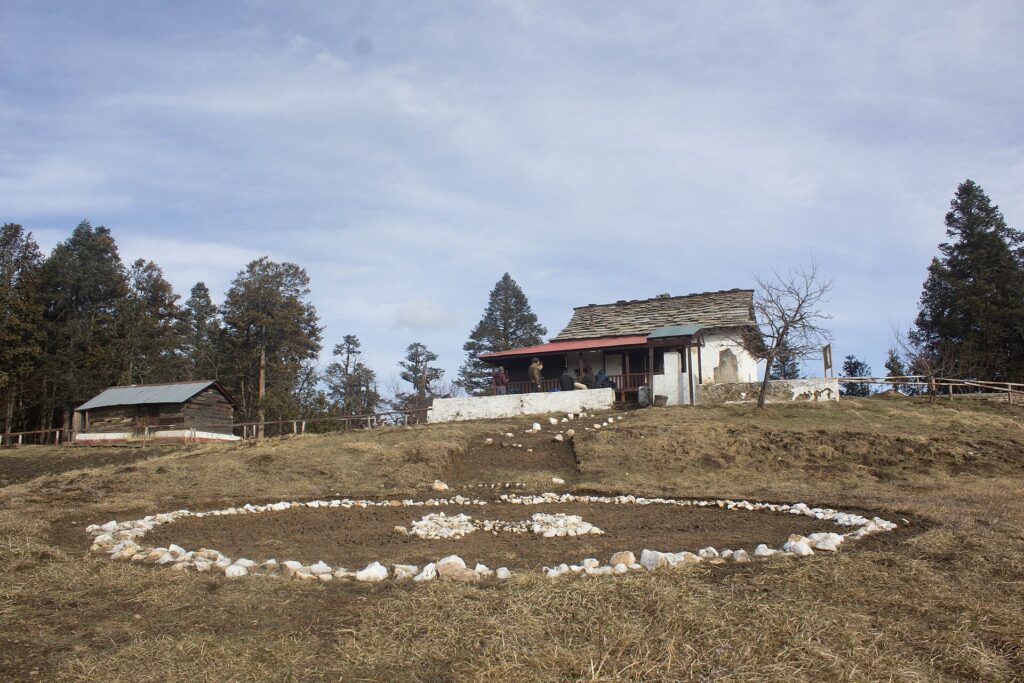
The heart of Khaptad is its patans, the open grass meadows that lie between belts of forest. Local accounts count about twenty-two of them. They roll across gentle ground at around 3,000 metres, so a day's walk here is easier underfoot than on the great Himalayan treks, though the remoteness is real. The largest, Ghodadauney Patan, is a short walk from the army post.
Chapter 2
The Hermit Who Shaped a Park
Khaptad takes its name from Khaptad Baba, a Hindu ascetic who came to the plateau in the 1940s and lived there as a hermit for about fifty years. He is remembered across Nepal as a teacher, healer and astrologer. The park was established in 1984 on his advice, which is why it is one of the few national parks in the world that began with a holy man's request.
His ashram still stands near the park headquarters, and pilgrims still come to meditate. A little below, at Tribeni, three streams meet beside a temple to Shiva. Pilgrims gather there for festivals including Ganga Dashahara and Janai Purnima, with folk songs and dances of the far west such as deuda.
Chapter 3
Flowers, Forest and Hidden Wildlife
The park climbs from subtropical forest of sal and pine to temperate broadleaf forest and, above about 2,900 metres, fir, oak, birch and rhododendron. From mid-March, rhododendrons bloom along the forest edges, and in April and May wildflowers cover the meadows. Botanists have recorded more than 500 plant species, including hundreds used as traditional medicine.
Wildlife is shy. About twenty-three mammal species have been recorded, among them musk deer, barking deer, leopard cat and Himalayan black bear. Around 270 to 290 bird species are listed, including the Himalayan monal, Nepal's national bird, so go quietly and early.

Chapter 4
The Long Road to the Far West
Reaching Khaptad is part of the story. Most visitors fly from Kathmandu to Dhangadhi in about an hour, then travel by bus or jeep to Silgadhi in Doti, which takes roughly six to eight hours. A jeep covers the last stretch to the Jhigrana gate in about an hour and a half, and from there it is a long day on foot, six to seven hours, up to the park headquarters. A second approach starts at Chainpur in Bajhang.
Inside the park there is very little. A small hotel at Khaptad and another at Bichpani offer basic beds, and visitors are told to bring food, a sleeping bag and warm clothes. That is the point: Khaptad rewards people who come to walk, watch and be quiet.
Chapter 5
A Plateau That Changes With the Seasons
Khaptad changes more with the seasons than most of Nepal's parks. Spring brings rhododendron bloom at the forest edges and, by April and May, wildflowers across the meadows. Summer rain turns the grass deep green and the paths to mud. Autumn is the season of clear air and long views toward the Api and Saipal Himalaya.
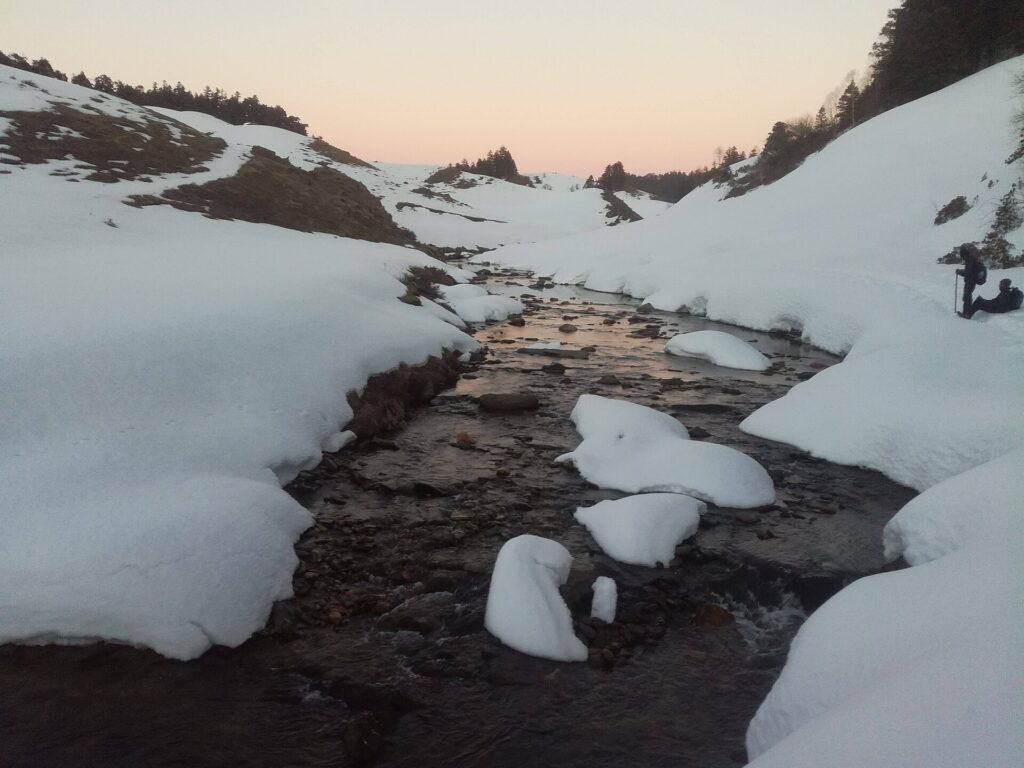
Winter is the plateau at its quietest. Cold winds and snow arrive from December, and heavy snowfall can make travel impossible for weeks, which is why most visitors come in spring or autumn. Whenever you come, check the weather and the road to Silgadhi before you set out.
Watch
See Khaptad for yourself
Videos are from YouTube. Nothing loads from YouTube until you press play.
Things to do in Khaptad
Experience Khaptad
- Walk across the patansOpen meadows between the forestsA full day
- Khaptad Baba AshramThe hermit's ashram near the headquarters1–2 hours
- TribeniThree streams meeting beside a Shiva templeHalf a day
- SahasralingaThe park's highest point, at 3,276 mHalf a day
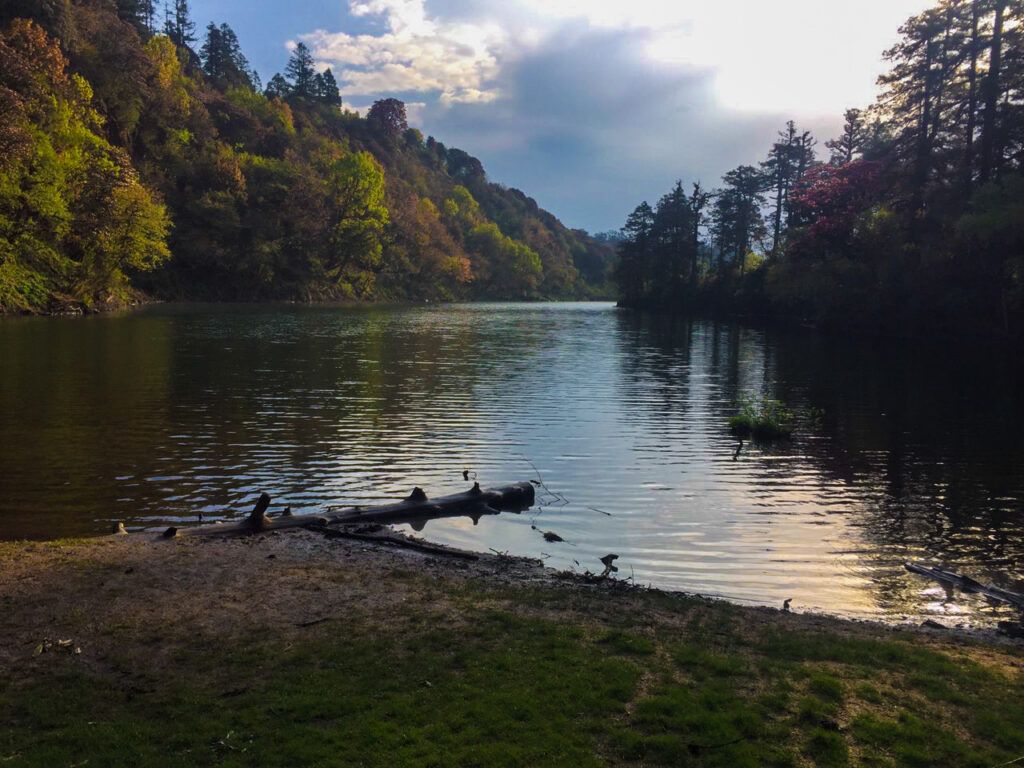
- Khaptad DahaA small lake at Daha Patan, good for birds2–3 hours
- Sunrise viewpointApi and Saipal Himalaya from near the headquartersEarly morning
The Khaptad Essentials
Visiting with respect: Khaptad is both a national park and a place of pilgrimage. Tobacco, alcohol and animal sacrifice are not allowed at its religious sites. Dress modestly, keep your voice low near the ashram, stay on the paths and carry all your rubbish and plastic out with you.
Where to stay
Stay in Khaptad
Plan your visit
Plan your Khaptad trip
When to go
- March–May Spring: rhododendrons and meadow flowers, mild days. A favourite season.
- October–November Clear autumn air and good mountain views.
- June–September Monsoon. Trails are muddy and slippery.
- December–February Cold winds and snow, which can close the plateau for weeks.
How to get there
- By air Kathmandu to Dhangadhi, about one hour.
- By road Dhangadhi to Silgadhi in Doti, then a jeep to the Jhigrana gate.
- On foot Jhigrana to the park headquarters, six to seven hours.
- Permit Entry permits are sold at the Nepal Tourism Board counter in Kathmandu or at the park gate. Fees change, so confirm before you go.
Allow eight to ten days from Kathmandu. Most of that is the journey; two or three days are enough to explore the plateau itself.
Khaptad questions
Is Khaptad really like Switzerland?
Visitors often describe the open green meadows between forests as soft and almost European. The nickname 'Switzerland of Nepal' is more often given to Jiri, so we describe Khaptad rather than borrow the title. Judge for yourself in April or May, when the flowers are out.
Is the Khaptad trek hard?
The walking is gentle once you are on the plateau. The difficulty is the distance: long road days to reach it, basic facilities and cold nights. Good boots and warm clothes matter more than technical skill.
Do I need a permit?
Yes. Entering the park without a permit is not allowed. Foreign visitors, SAARC nationals and Nepali citizens pay different fees, and the permit covers a single entry. Confirm the current price at the Nepal Tourism Board counter in Kathmandu or at the park gate.
Who was Khaptad Baba?
A Hindu ascetic who came to the plateau in the 1940s and lived there for about fifty years as a hermit. The national park was established in 1984 on his advice, and his ashram near the headquarters is still a place of pilgrimage.
What is the best time to visit?
March to May and October to November. The monsoon makes trails muddy, and heavy snow from December to February can stop travel.
Nepal Epics
Continue the journey
 Kathmandu Valley — The Lake That Became a KingdomA lake drained by a sword, three royal cities and a living goddess.
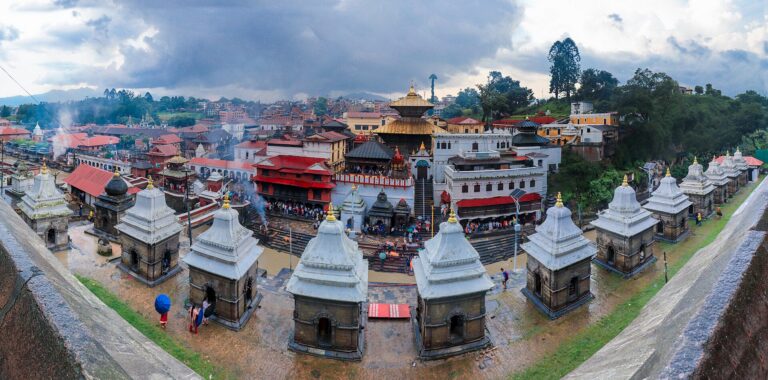 Sacred Nepal — Where the Gods DwellPashupatinath, Manakamana, Gosaikunda and Muktinath: the great Hindu pilgrimage.
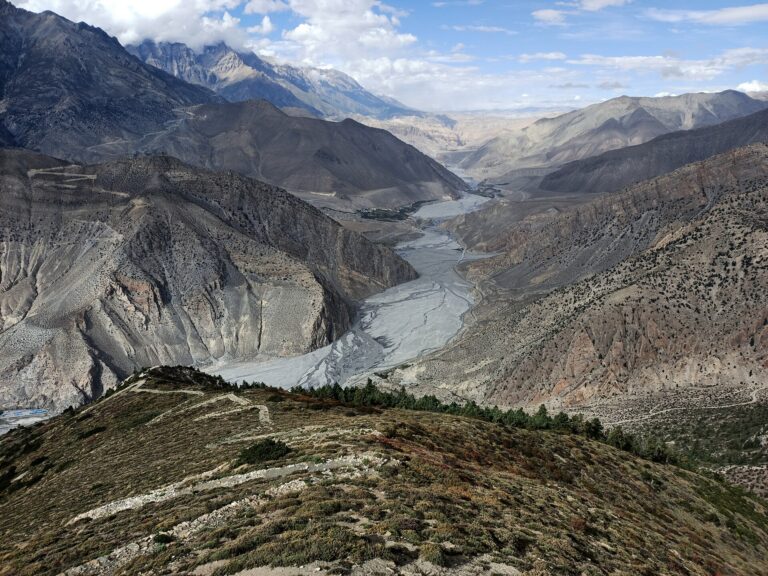 Kali Gandaki — The River That Carries GodShaligram stones, a forgotten holy city and the bend where the river flows north.
 Chitwan — The Jungle That Came BackFrom royal hunting ground to Asia's greatest wildlife comeback.
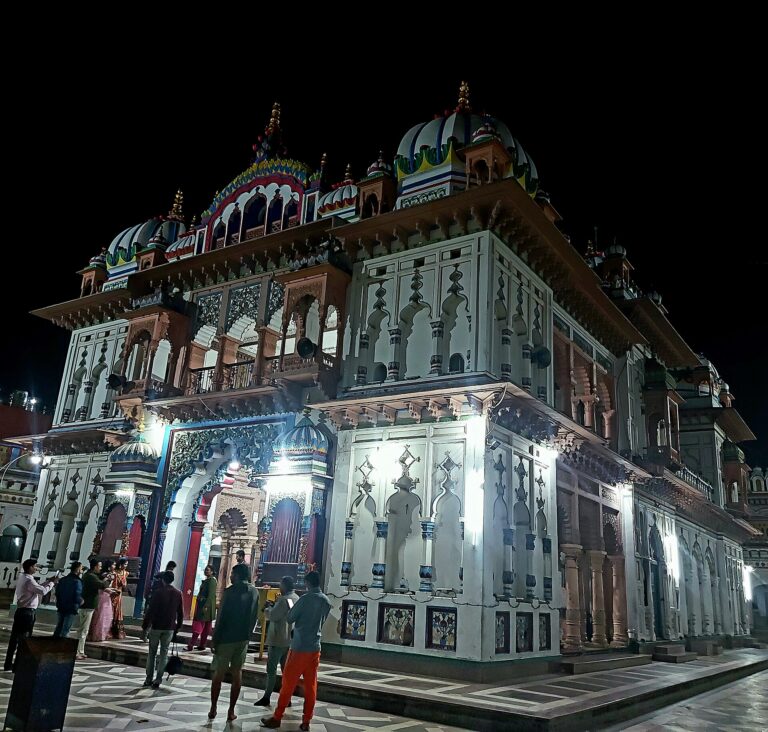 The Ramayana TrailFollow Sita through Nepal, from Janakpur to Valmiki Ashram.
 Kingdom of SitaJanakpur, where Ram broke Shiva's bow and married Sita.
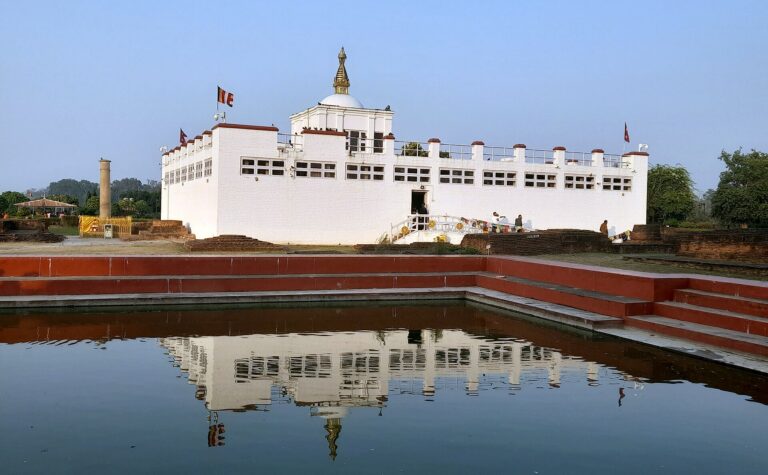 Birthplace of the BuddhaLumbini, the garden where the path to peace began.
Facts from: